
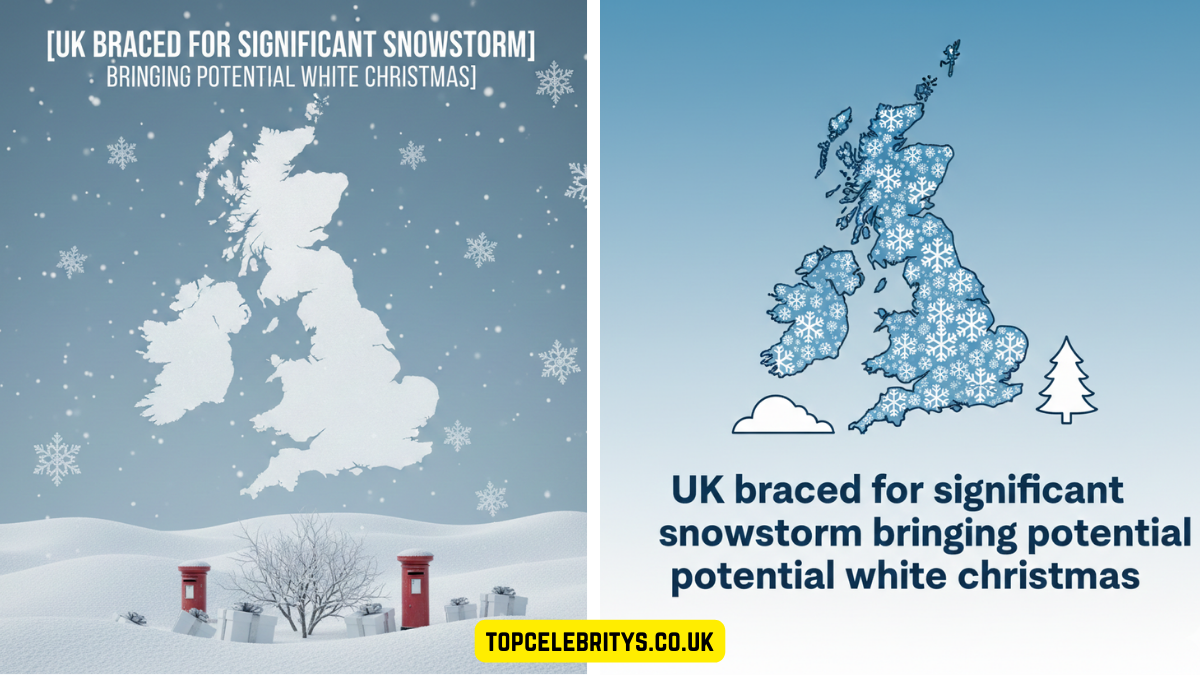
As December rolls in, chatter about the festive season often includes hopes for a snowy Christmas. This year, the UK braced for significant snowstorm bringing potential white Christmas, leaving families and commuters alike scanning the weather forecasts daily. While some regions may just see a dusting, others are preparing for heavier snow, icy roads, and travel disruptions. From local councils to everyday households, everyone is quietly—or sometimes not so quietly—keeping an eye on the skies and checking if a true “white Christmas” is possible.
Understanding the UK’s Winter Weather
The UK’s climate is notoriously unpredictable. Mild winters in southern England contrast sharply with colder, snow-prone regions in Scotland or northern England. Even within a single region, temperatures can fluctuate dramatically, sometimes resulting in rain instead of snow. A snowstorm in the UK isn’t just about picturesque snow-covered streets; it can impact transport, energy supply, and everyday routines.
When meteorologists talk about the UK braced for significant snowstorm bringing potential white Christmas, it usually means that a low-pressure system is moving in from the north or northwest, carrying cold Arctic air with it. These conditions can produce sustained snowfall over several days, rather than just a quick flurry, raising the stakes for anyone planning holiday travel.
Where Snow is Most Likely
If you’re hoping for a blanket of snow on Christmas morning, your chances vary dramatically depending on location. Northern and high-altitude areas like the Scottish Highlands and parts of Northern England are typically the first to experience heavier snow. Meanwhile, cities such as London, Cardiff, or Bristol might only see a light dusting, if any at all.
Local councils often issue guidance and warnings ahead of storms. For instance, last year, northern towns prepared gritters and emergency services were on high alert days before a forecasted snowfall. This preparation is crucial when the UK braced for significant snowstorm bringing potential white Christmas, ensuring roads remain passable and communities stay safe.
Real-Life Preparations: Homes and Roads
Many homeowners treat potential snowstorms with a mix of excitement and caution. On one hand, there’s the appeal of snowmen, frosty morning walks, and a true festive atmosphere. On the other, there’s the practical side: frozen pipes, slippery driveways, and the risk of being snowed in.
Families often stock up on essentials like groceries, heating fuel, and basic winter supplies. Neighbours might help each other shovel driveways or clear paths. For drivers, checking car batteries, antifreeze levels, and ensuring winter tires are fitted becomes part of the seasonal ritual.
Road maintenance teams have a particularly challenging role. Salt and grit must be distributed in advance, particularly on steep roads and bridges, to prevent accidents. Public transport also takes precautions: train operators add extra carriages for delays, while bus services adjust routes or issue warnings about cancellations.
How Weather Forecasts Predict Snow
Understanding how forecasters determine the UK braced for significant snowstorm bringing potential white Christmas is fascinating. Meteorologists combine satellite data, temperature models, and wind patterns to predict snow events. However, even the best models aren’t perfect. A slight shift in temperature by a few degrees can turn expected snow into sleet or rain, frustrating those eager for a white Christmas.
Weather models like UMKO or ECMWF simulate storm paths, helping emergency planners allocate resources efficiently. Yet, it’s important to remember that nature doesn’t always follow predictions. That’s why media outlets caution people: while a snowstorm is forecast, the timing, intensity, and coverage can vary significantly.
Impact on Travel and Daily Life
A significant snowstorm can disrupt daily routines far more than a light flurry. Airports may experience delays, trains may run slower, and even local buses struggle to keep to schedules. In past storms, commuters have been stranded for hours, reminding us that winter weather is not just a scenic addition to the holidays—it’s a logistical challenge.
Schools and workplaces may also adjust schedules. In some regions, early closures or remote work becomes necessary. Communities prepare for these possibilities when the UK braced for significant snowstorm bringing potential white Christmas, highlighting the blend of excitement and caution that comes with winter weather.
The Psychology of a White Christmas
For many, a snowy Christmas is more than just weather—it’s tradition. Memories of childhood winters, carols, and festive gatherings often revolve around that picturesque snow-covered scene. While the odds of a widespread white Christmas remain low, even a few flakes can spark joy and nostalgia.
Interestingly, people’s reactions vary depending on experience. For someone living in Scotland, snow might feel routine, whereas in southern England, a rare flurry can cause a mix of excitement and anxiety. The anticipation itself becomes part of the holiday story, with neighbors sharing updates and families debating if the snow will last until Christmas Day.
Practical Tips for Snowy Conditions
If a snowstorm does arrive, preparation is key. Here are a few practical tips:
- Drive carefully: Reduce speed and maintain distance. Snow can hide icy patches.
- Keep essentials handy: Water, food, and medication should be easily accessible.
- Stay informed: Monitor local weather updates and emergency announcements.
- Winterize homes: Check insulation, heating systems, and pipes to prevent freezing.
- Plan travel early: Leave extra time for journeys or consider rescheduling if conditions worsen.
Even simple steps can make a huge difference when the UK braced for significant snowstorm bringing potential white Christmas, turning potential disruption into manageable, even enjoyable, experiences.
Communities and Snow Spirit
Beyond the practical side, snowstorms often bring communities together. Neighbors help each other shovel snow, share resources, or simply exchange cheerful greetings during blustery weather. Local cafes and shops become warming hubs, and children build snowmen in parks, embracing the season. These moments remind us that while weather forecasts may create anxiety, they also foster shared experiences and festive memories.
Will There Actually Be a White Christmas?
The truth is, predicting a white Christmas is tricky. Meteorologists have tools, but the UK’s maritime climate often interferes, bringing rain instead of snow at sea level. Still, certain pockets, particularly in higher altitudes or northern areas, have a real chance. Even small amounts of snow on Christmas morning are enough to qualify as a “white Christmas” under official definitions, delighting enthusiasts and holiday lovers alike.
FAQs
1. How likely is a white Christmas in the UK this year?
The likelihood varies by region. Northern and elevated areas have a higher chance, while southern cities may only see rain or light snow.
2. How do UK authorities prepare for snowstorms?
Councils deploy gritters, check emergency services, and issue warnings to ensure roads and communities remain safe during heavy snowfall.
3. Can travel continue safely during a snowstorm?
Travel can be disrupted. Drivers should reduce speed, plan extra time, and check conditions. Public transport may face delays or cancellations.
4. What should homeowners do to prepare?
Stock essentials, winterize pipes, check heating systems, and ensure safe access to driveways and entrances.
5. Does a small amount of snow still count as a white Christmas?
Yes. Even a single snowflake falling on Christmas Day meets the official definition, creating the festive atmosphere many hope for.
Conclusion
The UK braced for significant snowstorm bringing potential white Christmas highlights both excitement and caution. While predictions can’t guarantee widespread snow, the anticipation brings communities together, sparks festive traditions, and reminds us of the magic of winter. Whether you see flakes on your window or just enjoy a cozy, chilly Christmas, the seasonal spirit remains alive, snow or no snow.
Read Also