Have you ever come across the term ozdikenosis online and wondered what it really is? Maybe you’ve seen alarming headlines claiming it can be deadly. Naturally, questions pop into your mind: is it real? Why is it considered dangerous? And most importantly, how does it affect the human body? In this article, we’ll break down everything in simple, human-friendly terms. By the end, you’ll understand the truth behind the disease, the symptoms often reported, and why misinformation spreads so easily.
What Is Ozdikenosis?
To start with, ozdikenosis is often described as a rare genetic disorder that supposedly affects the body’s energy production at a cellular level. However, it’s important to note that in the scientific and medical community, there’s no officially recognized disease by this name. That doesn’t mean the curiosity around it is baseless; rather, it highlights how misinformation can create fear and confusion.
In online forums, some people talk about ozdikenosis as if it’s a condition that causes fatigue, organ failure, or immune system problems. While these symptoms sound plausible for certain real metabolic disorders, they are not linked to ozdikenosis—at least in any documented medical literature.
How People Believe It Affects the Body
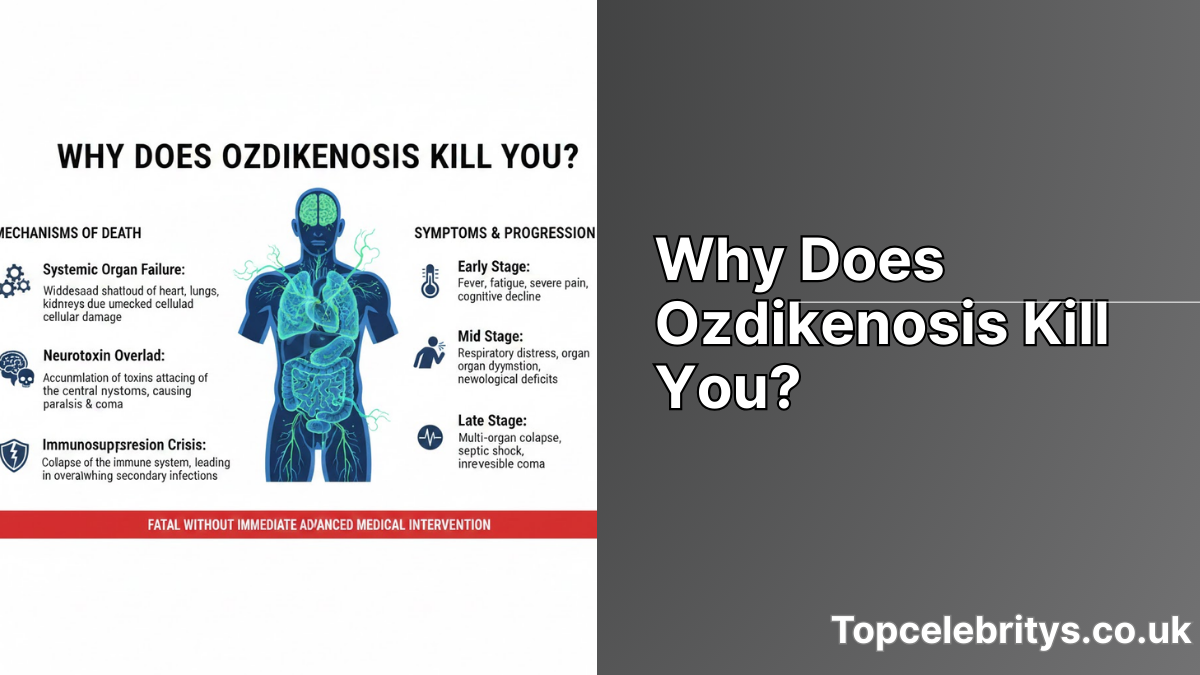
Even though ozdikenosis isn’t medically recognized, the stories about it make for an interesting discussion on how rare disorders might affect the body. The idea is that cells lose the ability to produce energy efficiently. Imagine your body like a car: if the engine can’t generate enough power, everything slows down and eventually stops. That’s the analogy many explanations use to illustrate how ozdikenosis allegedly works.
Some sources claim that the condition affects multiple organs simultaneously. For instance, if the heart or lungs cannot function at full capacity due to energy issues, the whole body system may suffer. Again, while this is a valid mechanism in real metabolic disorders, in the case of ozdikenosis, there’s no verified evidence.
Common Symptoms People Attribute to Ozdikenosis
While we can’t medically confirm ozdikenosis, the symptoms described online are worth discussing for awareness. They often include:
- Extreme fatigue: Feeling drained even after minimal activity.
- Organ stress: Claims of liver, kidney, or heart strain due to poor cellular function.
- Weak immunity: A supposedly lowered ability to fight infections.
- Neurological issues: Confusion, brain fog, or memory problems.
- Progressive decline: Stories often mention worsening symptoms over time.
These descriptions sound serious, but remember—they’re largely anecdotal and should not replace medical advice. If you experience these symptoms, it’s much more likely you are dealing with a recognized health issue rather than something called ozdikenosis.
Why the Question “Why Does Ozdikenosis Kill You” Circulates
One reason this question keeps popping up is the viral nature of fear. People are naturally drawn to dramatic headlines, especially when it involves a mysterious “killer disease.” Social media and blogs often repeat the phrase “Why Does Ozdikenosis Kill You” without citing scientific evidence, which amplifies worry.
In reality, the danger is not the disease itself—it’s the misinformation. If someone genuinely believes they have an unknown fatal disease, the stress alone can impact their health. Anxiety, sleeplessness, and neglect of real medical conditions are far more dangerous than ozdikenosis.
Real-Life Lessons From Medical Awareness
Let’s step away from the term for a moment and think about practical lessons. Many rare metabolic diseases do exist and can be serious. Disorders like mitochondrial disease or certain enzyme deficiencies can affect energy production, just like ozdikenosis is claimed to. Here’s what real cases teach us:
- Early diagnosis matters: The sooner a real disorder is detected, the better the treatment outcomes.
- Lifestyle impacts: Nutrition, sleep, and stress management can help even severe metabolic conditions.
- Don’t panic over names: Always confirm with credible medical sources before believing online claims.
For example, a friend of mine had a metabolic condition that caused chronic fatigue. Initially, online searches made her fear she had something “rare and untreatable.” Once she consulted a doctor, she got a clear diagnosis, treatment, and guidance—and she recovered much faster than if she’d relied solely on online speculation.
How Experts View Ozdikenosis
Medical experts agree that ozdikenosis is not a recognized disease. Most of the articles circulating are based on speculation, misunderstandings, or even marketing strategies designed to attract clicks. From a clinical standpoint, there is no biochemical pathway, genetic marker, or documented case confirming the existence of this condition.
However, discussions about ozdikenosis highlight a broader issue: the public’s vulnerability to misinformation. It reminds us to approach health claims critically and to rely on peer-reviewed studies, licensed practitioners, and reputable medical websites.
Addressing the Fear Factor
Fear is powerful, especially when tied to health. Seeing a question like “Why Does Ozdikenosis Kill You” can trigger panic. But understanding the truth is liberating:
- There is no evidence that ozdikenosis can kill anyone.
- Symptoms reported online are likely coincidental or related to other, real conditions.
- Awareness and critical thinking protect your health more than viral articles.
Think of it as separating fact from fiction. Being cautious is smart, but letting fear dictate your health choices is not.
Practical Advice for Concerned Readers
Even if ozdikenosis itself isn’t real, the stories serve as a reminder to monitor your health. Here’s some practical advice:
- Consult a doctor: Don’t rely on internet claims for diagnosis.
- Track symptoms: Keep a journal of fatigue, pain, or other changes.
- Focus on lifestyle: Balanced diet, regular exercise, and sufficient rest support energy levels.
- Verify sources: Use medical journals, government health websites, or certified specialists.
- Stay informed, not alarmed: Awareness is helpful; fear is harmful.
For instance, I’ve seen people stress over “rare diseases” online only to discover that simple nutritional deficiencies were causing their fatigue. Proper testing and guidance made all the difference.
Conclusion
So, why does ozdikenosis kill you? The short answer is—it doesn’t. The disease itself does not exist in any scientifically verified way. The real takeaway is understanding how viral misinformation can create unnecessary fear and learning how to approach health topics responsibly. By staying informed, consulting professionals, and not relying on dramatic online headlines, you protect both your physical and mental well-being.
FAQs About Ozdikenosis
1. Is ozdikenosis a real medical condition?
No, there’s no officially recognized disease called ozdikenosis in medical literature.
2. Can ozdikenosis be fatal?
No, because the disease does not exist. Any claims about death are misinformation.
3. What symptoms are associated with ozdikenosis online?
Fatigue, organ stress, immune weakness, neurological issues, and progressive decline are commonly mentioned.
4. How should I respond if I worry about this disease?
Consult a licensed doctor to rule out real conditions. Don’t rely on unverified online sources.
5. Why do people still talk about ozdikenosis?
It’s mainly due to viral content, fear, and misinformation, not scientific evidence.
Read Also