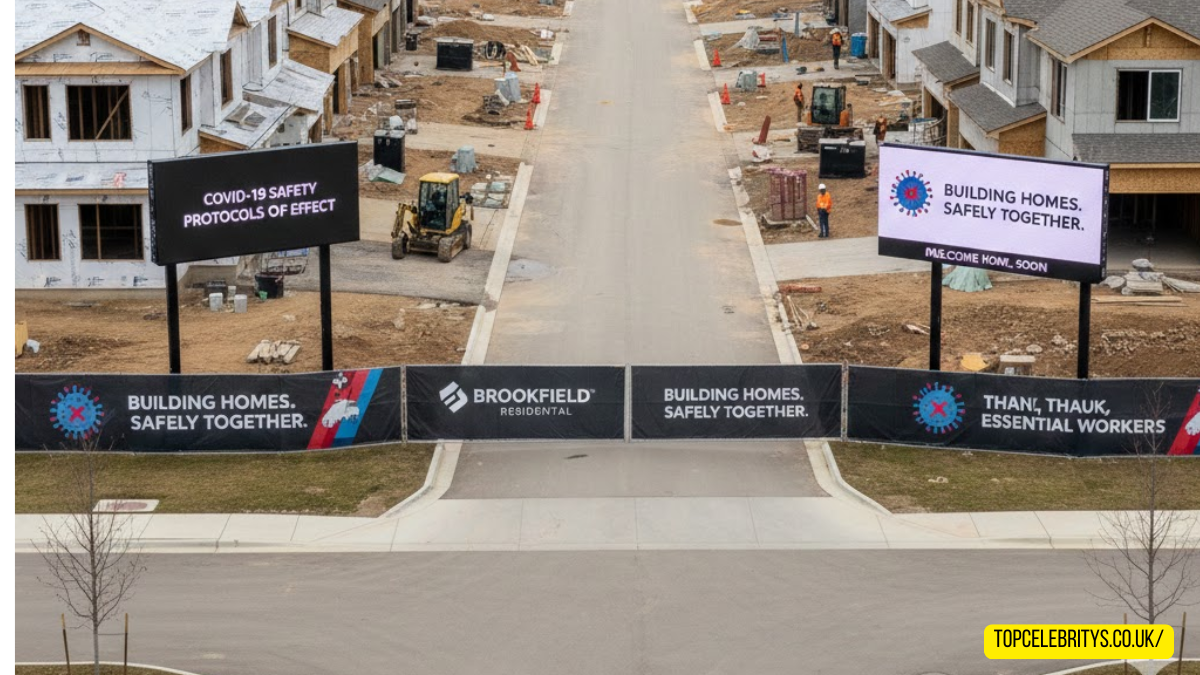
The COVID-19 pandemic brought a wave of uncertainty for communities everywhere, and residential developers were no exception. Among them, Brookfield Residential Coronavirus efforts stood out for their attention to both safety and community wellness. From health protocols to remote work adjustments, their response offers an interesting example of how a major company can adapt to unprecedented challenges while keeping residents and employees in mind. In this article, we’ll dive into their strategies, real-life examples, and lessons that communities and companies alike can learn from.
Understanding the Initial Impact of COVID-19 on Residential Communities
When the pandemic first hit, many residents faced confusion and concern about safety, services, and community resources. Brookfield Residential quickly realized that maintaining clear communication would be essential. They began issuing regular updates about building access, sanitation measures, and community guidelines.
One thing that stood out was their focus on human connection. They didn’t just post cold notices—they used newsletters, social media, and community forums to talk directly with residents, answering questions and addressing concerns. I remember seeing a video update where a community manager walked through common areas, explaining the cleaning routines. It was reassuring, almost like someone was walking you through your own home and making sure everything was safe.
Health and Safety Protocols in Practice
Brookfield Residential Coronavirus measures included a variety of health-focused steps. Mask mandates in communal spaces, frequent sanitization of high-touch surfaces, and socially-distanced gatherings were part of daily life. Beyond that, they invested in better air circulation and touchless entry systems where possible.
A friend of mine lives in one of their communities and told me about the temperature check stations installed in the main building lobby. It may seem small, but such measures contributed to peace of mind, especially for families with elderly relatives.
The takeaway here is simple: small, thoughtful steps can make a huge difference in how people feel about safety.
Adapting Work and Community Life
One challenge that often goes unnoticed is how residential companies manage internal operations during a crisis. Brookfield Residential had to rethink its entire workflow. Remote work became a necessity, but they also wanted to maintain a sense of teamwork and company culture.
They provided laptops, secure network access, and even occasional “wellness check-ins” via video calls. Real-world example: during a critical planning meeting for a new development, team members joined virtually from different time zones, showing how technology allowed continuity without compromising health.
At the community level, activities didn’t stop entirely—they just adapted. Online classes, virtual meet-ups, and even small outdoor socially-distanced events became a norm. It showed that even in challenging circumstances, connections can be maintained with creativity.
Supporting Residents Beyond Health Measures
Another key part of the Brookfield Residential Coronavirus response was addressing emotional and social needs. Pandemic stress wasn’t just about catching a virus; it was about isolation, uncertainty, and anxiety.
Some communities introduced support networks, volunteer programs, and partnerships with local charities. For instance, in one neighborhood, volunteers organized grocery deliveries for residents who couldn’t leave home. This went beyond standard health protocols—it was a tangible expression of community care.
One resident I spoke with shared how receiving a simple phone call from the management team to check on her wellbeing made her feel part of a caring network. These kinds of human touches matter, especially during crises.
Lessons from Brookfield Residential’s Pandemic Strategy
There’s a lot companies can learn from the way Brookfield Residential navigated COVID-19. Some key takeaways include:
- Clear Communication: Keeping residents informed reduces anxiety and builds trust.
- Flexibility in Operations: Adapting work patterns ensures continuity while protecting employees.
- Community Engagement: Social and emotional support matters as much as physical safety.
- Proactive Safety Measures: Even small steps—like extra sanitization—have outsized impact.
- Embracing Technology: Virtual platforms for meetings and social gatherings keep people connected.
These lessons aren’t limited to residential developers—they apply to any organization looking to safeguard their community while maintaining normal operations during emergencies.
Real-Life Example: Chappelle Gardens
Chappelle Gardens, one of Brookfield Residential’s communities, became a model for pandemic response. They updated residents regularly on sanitation efforts, offered guidance on local health resources, and adjusted amenities for safety. Residents appreciated the transparency, which made following new rules less stressful.
One family mentioned how their kids could still enjoy outdoor spaces safely because Brookfield Residential redesigned play areas with spacing in mind. That balance between safety and normalcy can make a huge difference for families trying to navigate daily life during a pandemic.
Long-Term Implications and Future Preparedness
COVID-19 highlighted the need for ongoing preparedness. Brookfield Residential Coronavirus efforts went beyond immediate responses—they’re now looking at long-term strategies, such as better air filtration, flexible workspace designs, and community engagement programs that can be activated quickly if another crisis emerges.
From a personal perspective, it’s reassuring to know that companies are thinking ahead. The pandemic taught everyone that health, communication, and empathy are not optional—they’re essential for resilient communities.
Frequently Asked Questions (FAQs)
1. How did Brookfield Residential protect residents during COVID-19?
They implemented mask mandates, frequent cleaning, touchless entry systems, and regular communication to ensure everyone knew the latest safety protocols.
2. Did they support residents beyond physical health?
Yes, through social programs, volunteer assistance, and emotional support networks that helped combat isolation.
3. Were employees able to work safely?
Remote work, secure access, and wellness check-ins allowed employees to maintain operations safely while staying healthy.
4. Did they make changes to community spaces?
Yes, areas like playgrounds and gyms were adjusted for safe usage, with spacing and sanitation measures in place.
5. What long-term lessons came from Brookfield Residential Coronavirus efforts?
Clear communication, community engagement, proactive safety, and technology adoption are now central to their ongoing planning and preparedness strategies.
Conclusion
The Brookfield Residential Coronavirus response demonstrates a thoughtful, human-centered approach to managing a crisis. By balancing safety measures, community support, and operational flexibility, they created a model for how residential developers—and even other organizations—can handle uncertainty with care and effectiveness. While no plan is perfect, their focus on clarity, empathy, and adaptability offers valuable lessons for anyone navigating complex challenges.
Read Also