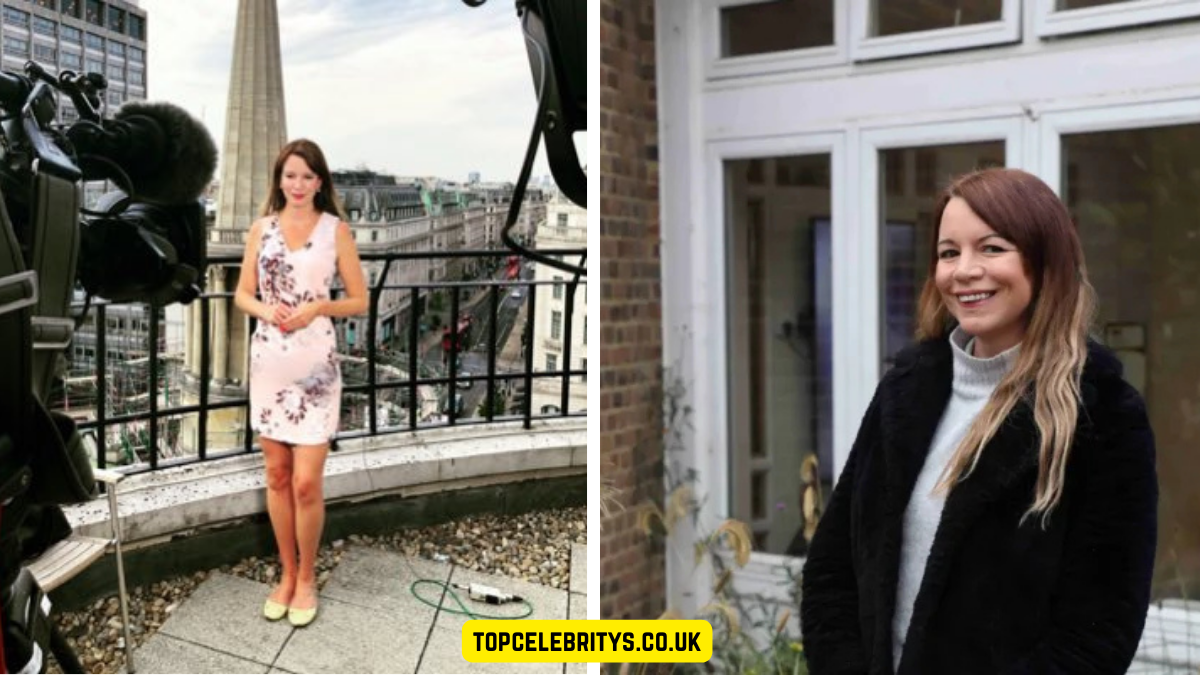
In recent years, discussions about public figures and disability have grown increasingly common, often fueled by curiosity, rumors, or misconceptions. One name that has been at the center of such conversations is Elizabeth Rizzini, the BBC-trained weather presenter known for her engaging personality and professional achievements. A recurring topic online is Elizabeth Rizzini disability, with many people wondering whether she has one herself. In this article, we will explore the facts, address common myths, and highlight her work related to resilience and supporting others in the disability community.
Who is Elizabeth Rizzini?
Elizabeth Rizzini is a Met Office-trained weather presenter who has worked across various BBC platforms, including national and regional broadcasts. Her career spans local radio, 5 Live, and television, showcasing her versatility and expertise in meteorology. Beyond her professional work, Elizabeth has been involved in charitable causes, particularly those connected to hospice care and supporting individuals facing life challenges.
Her visibility in the media, combined with her engaging social media presence, has led to increased public interest in her personal life, including the topic of disability.
Clarifying the Myth: Does Elizabeth Rizzini Have a Disability?
The straightforward answer is no, there is no public evidence or credible source indicating that Elizabeth Rizzini has a disability. Misconceptions have arisen primarily because of her involvement in projects and documentaries related to disability.
One notable example is her support for the BBC Two documentary Being Frank, which tells the story of resilience and adaptation in the face of physical challenges. Her connection to this documentary, and her advocacy for hospice care in memory of her cousin Joe, may have contributed to misunderstandings regarding her own health.
Elizabeth has been vocal about her admiration for individuals who overcome adversity, but she herself does not have a personal disability.
Elizabeth Rizzini’s Connection to Disability Awareness
While she may not have a disability herself, Elizabeth has played a role in raising awareness about the challenges faced by disabled individuals. She has promoted documentaries, supported charity initiatives, and used her platform to highlight stories of resilience.
Hospice Advocacy
One area where Elizabeth’s efforts have been particularly impactful is hospice care. Her cousin Joe received support from a hospice, and Elizabeth helped raise funds to continue such services. This advocacy demonstrates her commitment to compassionate care, a cause closely tied to broader discussions about disability, aging, and end-of-life support.
Promoting Resilience Stories
Elizabeth’s involvement with Being Frank highlights her interest in resilience. The documentary focuses on individuals living with physical disabilities, shedding light on their daily experiences, challenges, and triumphs. Elizabeth’s promotion of the documentary shows her support for creating awareness and understanding, further reinforcing her public association with disability-related topics.
Media Coverage and Public Perception
Media coverage has occasionally blurred the lines between Elizabeth Rizzini’s advocacy work and her personal health status. Headlines and social media posts sometimes suggest that she has a disability, which is inaccurate. Reliable sources, including interviews and public records, confirm that these claims are misconceptions.
Understanding this distinction is important for both fans and researchers. Elizabeth’s work should be appreciated for her advocacy, professional accomplishments, and charitable contributions, rather than unfounded assumptions about her health.
Why Misconceptions Spread
Several factors contribute to the misconceptions surrounding Elizabeth Rizzini disability:
- Association with Disability Projects: Her support for documentaries and awareness campaigns can be misinterpreted as personal experience.
- Public Interest in Personal Lives: Celebrities often face scrutiny and speculation, leading to rumors.
- Social Media Amplification: Misleading posts or incomplete information can spread quickly, creating false narratives.
Being aware of these factors helps contextualize why misinformation about Elizabeth’s health exists.
Lessons from Elizabeth Rizzini’s Advocacy
Elizabeth Rizzini’s story offers important lessons about resilience, empathy, and advocacy:
- Support Matters: Supporting initiatives like hospice care can have a profound impact on individuals and families.
- Awareness Without Assumptions: It’s possible to raise awareness about disability without personally having one.
- Using Influence Responsibly: Elizabeth demonstrates how public figures can leverage their platforms for meaningful causes.
Her approach shows that one does not need to personally experience a challenge to empathize, support, and make a difference.
Public Engagement and Social Media Presence
Elizabeth is active on social media, where she engages with followers on professional updates, charitable initiatives, and general life experiences. Her transparency and friendly demeanor contribute to her positive public image. Through her platforms, she encourages conversations about resilience, compassion, and understanding, aligning with the values highlighted in disability advocacy.
Common Misconceptions Debunked
| Misconception | Fact |
| Elizabeth Rizzini has a disability | She does not have a disability; misconceptions arise from advocacy work |
| She promotes disability for personal recognition | She promotes awareness and supports related causes |
| Media coverage confirms her disability | Reliable sources confirm she has no disability |
By debunking these misconceptions, the public can better appreciate Elizabeth’s actual contributions and advocacy work.
Real-Life Impact of Advocacy
Elizabeth’s promotion of disability awareness and hospice care has tangible effects:
- Fundraising campaigns have supported families and patients in need.
- Public engagement has increased awareness about the challenges faced by disabled individuals.
- Educational initiatives through media appearances encourage empathy and understanding in broader society.
These efforts highlight that advocacy can be powerful, even without personal experience of disability.
Conclusion
The topic of Elizabeth Rizzini disability often causes confusion due to her involvement in projects related to resilience and disability awareness. However, it is clear that she does not have a disability herself. Her significance lies in her professional accomplishments as a weather presenter, her compassionate advocacy for hospice care, and her support for awareness initiatives that promote understanding of disability.
Elizabeth Rizzini exemplifies how empathy, advocacy, and public engagement can make a difference. Her story encourages us to focus on facts, appreciate genuine contributions, and celebrate those who use their platform to help others.
FAQs About Elizabeth Rizzini and Disability
Q1: Does Elizabeth Rizzini have a disability?
No, there is no public evidence that Elizabeth Rizzini has a disability. Misconceptions stem from her advocacy work and media projects.
Q2: What projects has Elizabeth Rizzini supported related to disability?
She has promoted documentaries like Being Frank and raised awareness about resilience and disability-related challenges.
Q3: Why do people think she has a disability?
The confusion is due to her involvement with disability awareness projects and media coverage linking her to such initiatives.
Q4: Has Elizabeth Rizzini done charity work?
Yes, she has actively raised funds for hospice care and supported campaigns to help patients and families.
Q5: Where can I follow Elizabeth Rizzini’s advocacy work?
Elizabeth shares updates and engages with the public through social media platforms and professional appearances on BBC broadcasts.
Read Also