Social facilitation is a fascinating concept in psychology that explains how people behave differently when they are around others. Social facilitation happens when a person’s performance changes because someone is watching or working alongside them. This can be in a classroom, at work, during sports, or even at home when friends or family are present. The idea is simple, but its effects are powerful. For example, when you are practicing a skill you already know well, like playing a piano piece or solving math problems you are good at, social facilitation often improves your performance. You feel more motivated, focused, and energized because the presence of others pushes you to do your best. On the other hand, if you are doing something new or difficult, like learning a complex dance move or speaking in front of a large group for the first time, social facilitation might make you nervous, and this nervousness can make your performance worse. Psychologists have studied social facilitation for over a century, starting with early experiments where people were asked to perform simple and complex tasks in front of others. They discovered that being watched generally improves performance on simple tasks but can create anxiety and mistakes on complex tasks. Understanding social facilitation is not just important for students and teachers, but also for employees, managers, athletes, and anyone who wants to perform their best. It shows how human behavior is deeply influenced by the presence of others, and why some people thrive under attention while others struggle. Social facilitation can explain why people often work faster or with more energy when they know someone is watching them. For instance, a worker in a factory might assemble parts faster when a supervisor is observing. Similarly,
What is Social Facilitation and Why It Matters
Social facilitation is when people perform differently because others are around them. This means that when someone is watching you or working with you, you might do better on tasks you already know well. For example, a student might read faster when classmates are nearby or a football player might run faster with fans cheering. Social facilitation matters because it shows how humans are naturally influenced by the presence of others. It is a simple idea but has powerful effects in school, work, sports, and daily life. By understanding social facilitation, we can use it to improve learning, boost productivity, and gain confidence in different situations. Knowing this can help everyone do better with the right support.
How Social Facilitation Affects Your Performance Every Day
Social facilitation affects everyday life more than we notice. When friends, teachers, or colleagues are around, it can change how fast, focused, or confident we feel. For example, kids might complete homework faster when parents watch or someone may cook better when helping a friend. Social facilitation works differently for easy and hard tasks. Simple things often get better, while difficult or new tasks may cause nervousness. Understanding this can help us manage stress and do our best daily. By noticing how others influence us, we can plan better, prepare well, and enjoy tasks more. Social facilitation can help us become motivated, productive, and confident in school, work, and home.
The Science Behind Social Facilitation: Simple Explanation
Scientists explain social facilitation using two main ideas. First, being around others increases alertness and energy, which helps perform simple tasks better. This is called arousal theory. Second, people feel motivated to do well because they think others are watching, which is evaluation apprehension. Both explain why familiar tasks improve in front of others, while new or hard tasks may cause nervousness. Research shows social facilitation works in classrooms, offices, sports, and even online. It is natural and affects everyone differently based on personality and experience. Understanding the science helps us manage our reactions, perform better, and use social facilitation in positive ways every day.
Social Facilitation in School, Work, and Sports
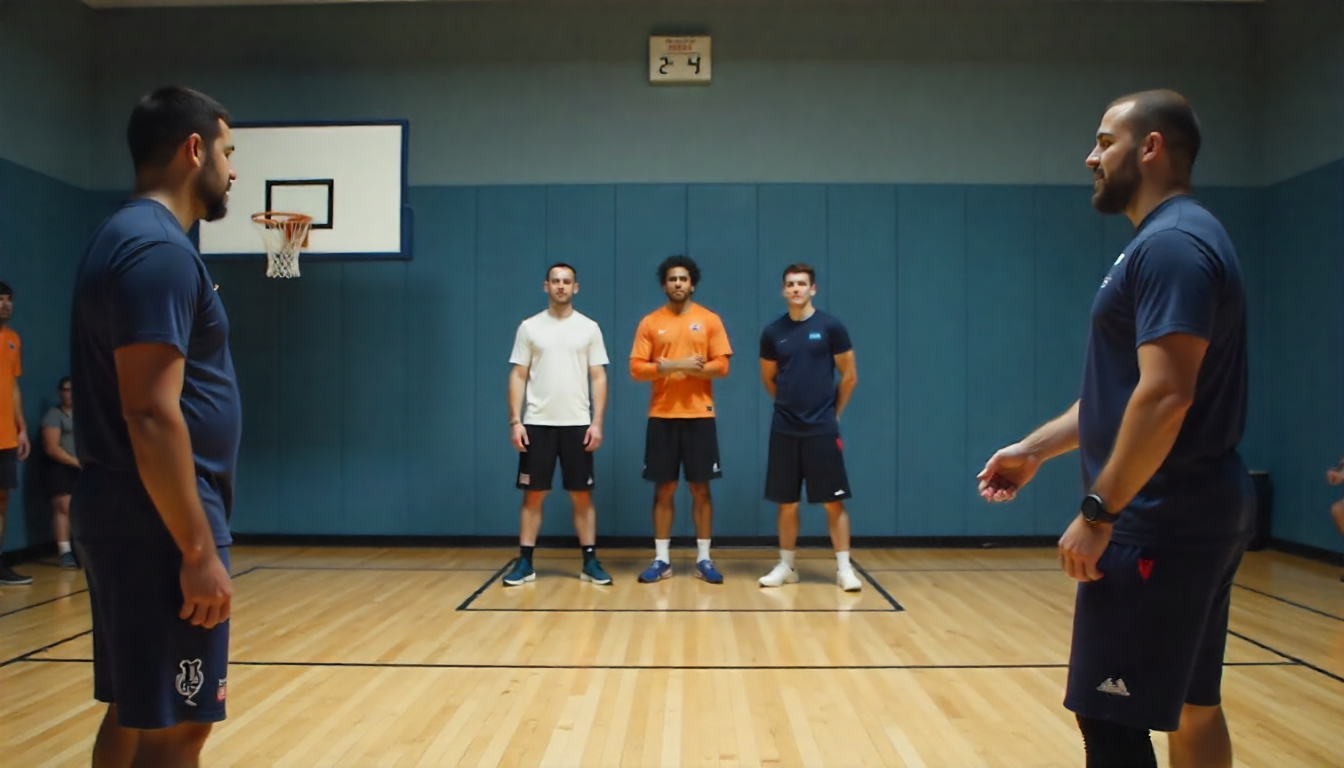
Social facilitation shows up everywhere: in schools, workplaces, and sports fields. In schools, students perform better in class discussions, group projects, or presentations because peers are watching. At work, employees often complete tasks faster or more carefully when supervisors or coworkers are present. In sports, athletes perform stronger, faster, or with more energy when teammates and fans are around. However, social facilitation can sometimes increase nervousness for difficult tasks. By learning when social facilitation helps or hinders, teachers, managers, and coaches can create environments that motivate people. Using social facilitation correctly encourages learning, productivity, and skill development in children and adults alike.
Tips to Use Social Facilitation to Your Advantage
You can use social facilitation to improve your performance. Start by practicing tasks in front of friends or family for motivation. Choose easy tasks first to build confidence before trying hard ones. In school or work, join group projects or presentations to benefit from social support. In sports, practice with teammates or compete in friendly matches to increase focus and energy. Online, you can use live video practice or competitions to gain the same benefits. Pay attention to how being watched affects you and adjust tasks accordingly. With the right approach, social facilitation can boost productivity, reduce nervousness, and help you enjoy tasks more every day.
Common Mistakes About Social Facilitation Everyone Should Avoid
Many people misunderstand social facilitation. One mistake is assuming it always improves performance. It helps simple or familiar tasks but can make new or difficult tasks harder. Another mistake is ignoring individual differences. Some people feel motivated, others anxious. Trying to force performance in front of others can backfire. Overthinking being watched or compared can increase stress and reduce results. To avoid mistakes, notice how social facilitation affects you personally. Start with small tasks, gradually increase difficulty, and focus on learning rather than perfection. Understanding these mistakes allows social facilitation to be used positively, without stress or fear.
Social Facilitation for Kids and Adults: A Guide
Social facilitation is useful for all ages. Kids often perform better in class or sports when peers are around, but they can get nervous with new skills. Adults also experience social facilitation at work, home, and hobbies. Teachers and parents can use it to create supportive environments where children are motivated without fear. At work, managers can design teamwork activities to encourage productivity. Sports coaches can set up friendly competitions to increase energy and focus. Understanding social facilitation helps both kids and adults use the presence of others positively, build confidence, and enjoy learning or working without unnecessary stress.
How Social Facilitation Can Boost Confidence and Motivation
Social facilitation is a natural motivator. When others are present, people often feel more confident and energetic. This confidence can improve performance in tasks we already know well. Motivation also increases because we want to do our best when others watch. For example, practicing a hobby with friends or presenting in class can push us to focus, try harder, and achieve goals. Over time, repeated positive experiences with social facilitation build long-term confidence. Understanding how it works helps us plan tasks, practice effectively, and enjoy success. Using social facilitation strategically can make learning, work, and daily activities more fun and rewarding for everyone.
Understanding Social Facilitation in Online and Real-Life Settings
Social facilitation is not limited to physical spaces; it works online too. Video calls, live streams, and online competitions create the same effects as in-person presence. People may perform better on familiar tasks but feel nervous on challenging ones. Understanding social facilitation in online settings helps students, employees, and creators manage performance and stress. By preparing, practicing, and being aware of the audience, we can improve results and gain confidence. Social facilitation shows that human behavior is influenced by others, whether physically nearby or virtually. Awareness of this effect allows us to plan better, increase motivation, and perform at our best in both online and real-life situations.
Practical Examples of Social Facilitation in Daily Life
Social facilitation happens every day, often without us noticing. Students may study faster when friends are nearby. Employees might finish work quicker when supervisors check progress. Athletes perform better in practice with teammates watching or during games with cheering fans. Even simple tasks like cooking, cleaning, or giving presentations are influenced by others’ presence. Social facilitation also appears in online challenges, live streams, and teamwork platforms. By recognizing these examples, we can use social facilitation to improve performance and confidence. Everyday situations offer opportunities to apply this knowledge. With awareness and practice, social facilitation can be a positive force in school, work, sports, and social life.
Conclusion
Social facilitation is an important idea that helps us understand how others affect our behavior. Being around people can make us work faster, focus more, and feel motivated. It can also make difficult tasks harder if we feel nervous. Knowing how social facilitation works helps us plan better, manage stress, and improve performance in school, work, sports, or hobbies. By practicing in front of friends, family, or colleagues, we can gradually build confidence. Teachers, coaches, and managers can use social facilitation to create environments that motivate without pressure. Social facilitation is everywhere, from classrooms to offices, sports fields to online spaces. Recognizing it helps us use it positively. Kids and adults alike can benefit by practicing familiar tasks in the presence of supportive others. Social facilitation can increase energy, attention, and confidence when used carefully. It teaches us how human behavior is influenced by social presence. By understanding this, we can create better learning, working, and social environments.
FAQs
Q1: What is social facilitation?
Social facilitation is when your performance changes because others are watching or working with you. It can improve simple tasks but make difficult ones harder.
Q2: How does social facilitation affect students?
Students may read faster, participate more in class, or perform better in presentations when peers or teachers are around.
Q3: Can social facilitation be used at work?
Yes! Employees can feel more motivated and focused when supervisors or colleagues are present, improving productivity.
Q4: Does social facilitation work in sports?
Absolutely. Athletes perform better in front of teammates or cheering crowds, but it can also make new skills harder at first.
Q5: How can I use social facilitation in daily life?
Practice familiar tasks in front of friends or family, participate in group activities, or join online challenges to boost performance and confidence.